

Introduction
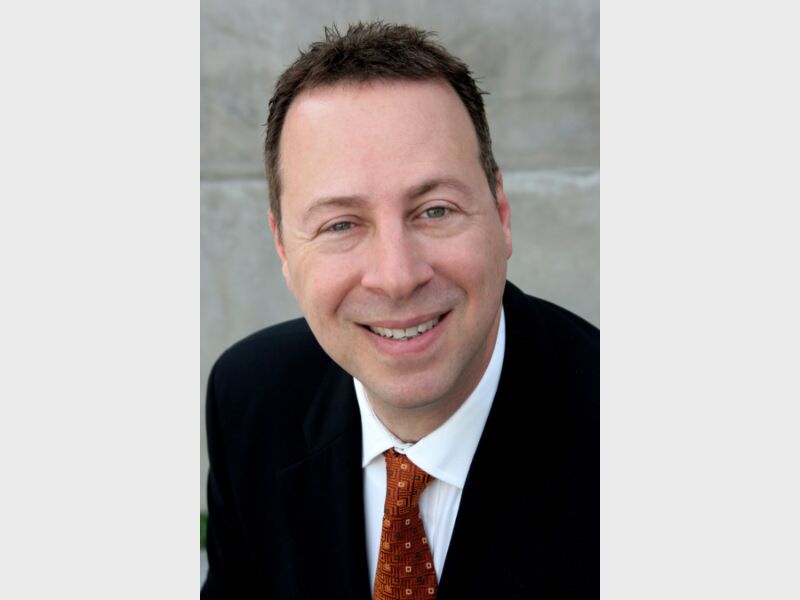
Dr. Scott Werden is recognized nationally and internationally for his expertise in imaging of patients with neurogenic thoracic outlet syndrome. Dr. Werden is also known for his committed approach to collaborative patient care and his broad awareness and education programs for TOS patients and TOS specialists.
Table of Contents
Table of Contents
Key Takeaways
- Dr. Scott Werden is known worldwide for his specialized training, board certifications, and decades of experience diagnosing and treating thoracic outlet syndrome with the most advanced tools available.
- His diagnostic approach integrates advanced imaging techniques, thorough review of prior patient records, and patient interviews to provide precise differentiation and an accurate diagnosis of TOS subtypes.
- Vanguard Specialty Imaging, diagnosis and treatment plans are patient-specific. We emphasize conservative management, including physical therapy and pain management. Surgical intervention occurs only after careful evaluation and definitive clinical indication.
- Dr. Werden’s surgical expertise spans an array of complex procedures, and his detailed technique reduces complications while regularly delivering top success rates and quality of life improvements.
- A team-based, multidisciplinary approach underpins his practice. It combines the skills of orthopedic surgeons, vascular surgeons, neurologists, and rehabilitation experts for the best outcome.
- Continued patient education, compassionate patient-provider communication, and worldwide mentorship initiatives emphasize Dr. Werden’s dedication to holistic, patient-focused care and relentless progress in the thoracic outlet syndrome field.
Dr. Scott Werden is widely known as a leading thoracic outlet syndrome specialist due to his years of TOS study, advanced diagnostic imaging skills, intellectual property, and his creation and development of extensive educational and awareness programs for patients and physicians.
His peers and patients trust his care because of his research and teaching.
Read more in the following section about his techniques and TOS philosophy.
Defining His Expertise
Dr. Scott Werden’s distinction in the field of thoracic outlet syndrome (TOS) management is a result of both an expansive background and a focused dedication to his craft. His journey started with demanding training in internal medicine and diagnostic radiology, after which he became board-certified in each specialty. After a chance meeting with Dr. Tracy Newkirk, a widely recognized expert neurologist in Thoracic Outlet Syndrome, Dr. Werden became convinced that a great opportunity existed to expand and refine the diagnosis and treatment of Thoracic Outlet Syndrome. Over subsequent years of focused practice and work with TOS colleagues, Dr. Werden honed his expertise in the subtle diagnosis and treatment of TOS, keeping up with the latest innovations and developing his expertise in non-surgical and surgical treatment options and developments.
Dr. Werden’s approach is defined by ongoing education, practical experience, patient care, and a strong belief that no two TOS cases are alike.

1. Diagnostic Acumen
Dr. Werden’s diagnostic acumen is the product of years of experience and a meticulous MRI procedure. He begins with a thorough patient history, searching for the nuanced signs and symptoms that distinguish TOS from other maladies. Dr. Werden utilizes this history to correlate with the unique MRI findings in every patient. His talent to read these imaging studies guarantees that each diagnosis is accurate. He differentiates between neurogenic, venous, and arterial TOS, which directs treatment going forward.
2. Treatment Philosophy
Coordination of patient care comes first in Dr. Werden’s expertise. Through Dr. Werden’s extensive connections with TOS specialists throughout the country, he helps guide each patient to the best TOS specialist for their specific case. While the patient may travel to visit the best TOS specialist, Dr. Werden remains engaged with both the patient and the TOS specialist to ensure that all questions are answered and all conservative approaches are considered.
Conservative options include:
- physical therapy
- ergonomic evaluation
- medications
- selective nerve and muscle blocks, depending on the specific TOS specialist and center where the patient is being treated, as well as the patient’s unique indicators.
All reasonable conservative approaches should be considered and trialed before a surgical decision is made in patients with neurogenic thoracic outlet syndrome.
3. Surgical Decision-Making
Years of experience and close work with surgical TOS specialists has allowed Dr. Werden to understand complicated TOS surgeries, such as first rib resections and removal of cervical ribs or neck muscles. Over the course of Dr. Werden’s career, he has witnessed refinement of current procedures as well as development of new procedures, including robotic surgery, endoscopic surgery, and rib sparing procedures. Each patient receives help in understanding and selecting the optimal surgery for their specific case of TOS.
4. Innovative Research
Dr. Werden has helped push the field forward through extensive review of medical literature and participation in book chapters, articles, and clinical studies. His published research explores improved approaches to diagnosing and treating TOS and disseminates insights to the international medical community. Dr. Werden carries on regular conversations with TOS specialists around the country and internationally to broaden and share current theories and thought processes about TOS going forward. This work benefits his own patients and it influences care standards for others.
5. Patient Outcomes
Dr. Werden’s patients enjoy unprecedented success rates and quality of life post treatment. Many recount anecdotes of pain relief and regaining function, illustrating the effect of his craft.
He examines every case to continue enhancing care. As a result-oriented practitioner, he lets new techniques and data shape his practice.
6. Awareness and Education
Dr. Werden feels strongly that neurogenic thoracic outlet syndrome remains under-diagnosed and under-treated in the general public, in the medical community, and in many weekend athletes and elite athletes. We have always aimed to raise awareness, educate patients and care providers. We have invested countless hours in our educational website, our live streams, and our TOS videos, which can be found on all major social media outlets. We intend to leave a lasting legacy where Thoracic Outlet Syndrome is rapidly recognized and successfully treated.
A Diagnostic Vision
A powerful diagnostic vision is essential in TOS, a disease frequently overlooked or misdiagnosed. What sets Dr. Scott Werden apart is his holistic approach that incorporates detailed medical history, careful review of prior tests, and state of the art TOS imaging and interpretation. He understands that no two patients present with the same symptoms, and that all patients deserve a full and faithful evaluation. In the recent past, patients would often see multiple doctors and take more than a decade to receive a diagnosis of neurogenic TOS, if at all. Fortunately, today, thanks to the work of Dr. Werden and others, many more patients are appearing early in the course of their disease, and as a result, they achieve far better outcomes than we saw in the past.
Beyond Imaging
Even advanced imaging techniques cannot serve as the entire diagnostic portfolio in patients with NTOS. This challenging diagnosis requires an initial level of suspicion by the treating doctor or therapist, followed by a unique series of provocative tests especially designed for the diagnosis of Neurogenic Thoracic Outlet Syndrome if these tests support the initial diagnostic suspicion, then advanced imaging can confirm the diagnosis of neurogenic thoracic outlet syndrome and rule out additional or competing differential diagnoses. It should be apparent that Dr. Werden’s ongoing patient care with other TOS specialists throughout the country provides the best current diagnostic confidence in these patients.
The Treatment Blueprint
Once the patient receives an accurate diagnosis of neurogenic thoracic outlet syndrome, the treatment blueprint it should be designed to be systematic, comprehensive, and patient-centered. A comprehensive and well-organized plan provides patients with a sense of control over their symptoms and the emotional means to navigate their healing. Treatment should be focused on both symptomatic relief as well as long-term wellness. Each plan melds proven science and continuous ongoing evaluation with robust patient education, crafting a journey that integrates posture, motion, rest, and wellness and is flexible to each patient’s individual condition.
Conservative First
Dr. Werden recommends an initial well-designed conservative care program, foremost NTOS patients. Many patients can be successfully treated without surgery or invasive treatment, particularly those patients with an early diagnosis and access to the best TOS specialists. The typical conservative treatment plan for patients with neurogenic TOS includes:
- Comprehensive physical therapy: There are many highly trained and experienced physical therapists who treat patients with Neurogenic Thoracic Outlet Syndrome, and as one might expect, these specialists can take unique approaches to these challenging patients. Many physical therapists first address posture, relaxation, and breathing exercises to allow the nervous system to calm down and move toward a more stable state rather than the inflamed and agitated state experienced by many TOS patients. If this first phase is successful, targeted exercises ken restore posture, strengthen weak muscles, and gently stretch tight tissues. Patients generally do better if they commit to an ongoing physical therapy treatment regimen, often several days per week, along with home exercises to put these changes into practice.
- Pain and inflammation management: Non-steroidal anti-inflammatory drugs (NSAIDs), ice, and manual therapy are used to control discomfort and swelling. Nerve stabilizing medications such as gabapentin are frequently used in these patients.
- Breathing Pattern Recovery: These patients often have alterations in their breathing patterns, with recruitment of accessory muscles of respiration that would normally not occur. Elimination of the abnormal pattern and recovery of the normal pattern allows these secondary muscles to relax, which can open up the thoracic outlet. This training also allows patients to become conscious of their breathing habits, which can help when future flare-ups occur.
- Postural training: Patients learn to adjust their sitting, standing, and movement habits to reduce nerve and blood vessel compression.
- Alternative care providers: Many neurogenic TOS patients find acupuncture to be a very successful adjunct method for controlling pain and improving mobility. Some patients utilize massage therapy and other alternative health care methodologies.
- Lifestyle modification: Many patients have found additional relief by incorporating regular mobility drills, stress management, and quality sleep to lessen recurrence.
Physical therapy gets a spotlight as the backbone of conservative care. He monitors each patient’s progress carefully, periodically with digital logs or wearable sensors. If symptoms persist or get worse despite a few weeks of diligence with rest days interspersed to prevent overuse, he thinks about moving on to the next stage.
Surgical Necessity
The decision to advance to surgery to relieve neurogenic thoracic outlet syndrome is a complex and challenging one. Most TOS specialists recommend between six and 12 months of continuous and effective conservative treatment before considering the surgical option. Other factors must be considered, including the general health of the patient, current lifestyle limitations, and the potential persistent or new symptoms that may follow surgery. TOS surgery is quite safe in the vast majority of cases, but the success rate following surgery can be less than desired. In general, and including all different modalities of surgery, over the first two years following surgery approximately 30% of patients live with significant residual or unrelieved symptoms or ongoing disability.
Personalized Plans
Given the complexity of TOS, every patient deserves a full and careful evaluation and a personalized care plan. Dr. Werden’s efforts at raising awareness and providing ongoing education has helped to empower many of our patients to work with their care team to create such a plan. In addition, Dr. Werden’s eagerness to remain involved with each patient’s clinical care team, no matter the location, supports the best outcome.
The Collaborative Model
Dr. Werden has long felt that collaboration between TOS specialists regarding each patient provides the best chance of a positive result. The collaborative model of TOS care brings together multiple TOS specialists, each with a defined role in diagnosis, treatment, and ongoing care. What makes this model unique is that it doesn’t rely on a single specialty; it promises each patient comprehensive, coordinated, and flexible care.
This model prioritizes collaboration, open communication, and joint decision-making, resulting in deeper insights into the patient’s condition and more precise treatment decisions. In this collaborative model, patients take advantage of the expertise of each team member, regardless of whether their treatment includes physical therapy, surgery, pain management, or lifestyle adjustments.
- Orthopedic surgeons address musculoskeletal causes and perform surgical decompression if needed.
- Vascular surgeons relieve vascular compression and repair damaged blood vessels if needed.
- Neurologists assess the specific pattern of nerve involvement, conduct diagnostic testing, and manage neurological symptoms.
- Pain management doctors guide pain control strategies using both medications and interventions. Interventions can include selective muscle blocks or nerve blocks when needed. These procedures can be diagnostic or therapeutic.
- Physical therapists aftin lead the conservative management program, detect subtle deficits, and design rehabilitation plans.
- Chiropractors assess posture, body dynamics, and help with conservative interventions.
- Occupational therapists support functional adaptation and daily activity modifications. An occupational therapist can assess and manage an ergonomic workplace environment.
- Psychologists and counselors assist with mental and emotional health challenges and teach coping skills.
- Nurses and case managers coordinate care, patient education, and follow-up.

Integrated Team
| Specialist | Role in TOS Care |
| Orthopedic Surgeon | Surgical decompression, musculoskeletal evaluation |
| Vascular Surgeon | Decompression and repair of blood vessels or nerves |
| Neurologist | Nerve testing, diagnosis, neurological symptom management |
| Pain Doctor | Pain control, medication, interventions |
| Physical Therapist | Rehabilitation, functional assessment, conservative management |
| Chiropractor | Postural and biomechanical assessment, non-surgical interventions |
| Occupational Therapist | Daily activity adaptation, functional training |
| Psychologist/Counselor | Mental health support, coping strategies |
Collaboration is the essence of this model, which requires regular and unselfish communication between all members of the care team. TOS specialists share updates and findings, facilitating early detection of symptom changes. They tweak treatment when patient symptoms change, whether a pivot from PT to surgery or modifying the plan with pain management. The thought process and care plan are not limited by a single provider’s experience and skill set.
The integrated team model appreciates follow-up. Teams follow progress, monitor for relapse, and modify care as needed even years post-treatment.
Holistic Care
Dr. Werden’s collaborative model treats the entire person, not just the symptoms. He understands that TOS impacts everyday life, work, and well-being. That’s why he incorporates support for both body and mind.
He promotes support groups or working with a practitioner for patients. Dr. Werden and his team at Vanguard Specialty Imaging maintain communications with patients after treatment, often for several years.
The model also emphasizes patient education. Patients educate themselves about their disease, what to anticipate, and how to monitor. This allows them greater control and establishes realistic expectations.
Beyond The Clinic
Dr. Scott Werden’s TOS work extends beyond the clinic. He is aware that many TOS patients suffer daily pain, lifestyle limitations, and frustration with a slow diagnosis. Many patients that we see at Vanguard Specialty Imaging have suffered for months or years before they learned about TOS or found a doctor who could provide a diagnosis. Dr. Werden knows that genuine care is more than an operation or a prescription. His approach merges patient education, lifelong learning and global mentorship. Dr. Werden and his team oh patients, families and providers navigate the complicated world of TOS as a team.
Patient Education
For several years, Dr. Werden and his team at Vanguard Specialty Imaging have published educational videos and performed regular live streams regarding neurogenic TOS. Topics have included:
- In-depth how-to videos discussing TOS symptoms and diagnosis in print and online.
- Video tutorials showing self-assessment techniques and safe exercises.
- Live streams with participant questions and answers directly with Dr. Werden.
- Downloadable care plans tailored to different TOS types.
- Nerve, artery and vein compression infographics explained in plain language.
- Contact lists for support groups and TOS specialists.
So many TOS patients get lost in ‘the TOS shuffle.’ This occurs when patients get overwhelmed with the amount of online information, ranging from useless opinion to highly technical and difficult to understand. Dr. Werden has worked for years to filter and clarify this information, making it available and easy to understand. We take pride in our years-long effort to clarify and teach TOS to patients and providers. We firmly I believe that an educated and empowered patient has the best chance of a good outcome.
Lifelong Learning
Dr. Werden follows scholarly TOS literature as it is published. He reads new research, attends workshops, and lectures at conferences nationally and internationally. He is involved in professional societies dedicated to TOS and other nerve disorders.
These groups trade updates on diagnostic tools and surgical techniques. They discuss innovative rehabilitation approaches for patients who experience pain during everyday activities, such as driving or overhead work. By staying involved, Dr. Werden can provide better, safer care.
Global Mentorship
Dr. Werden educates new TOS specialists globally. He collaborates with global teams to educate and disseminate best practices. Mentorship disseminates expertise, accelerates diagnosis, and enables patients globally to access care.
The Human Element
Addressing TOS is not merely about medical artistry or technical proficiency. The human factor counts. Dr. Scott Werden shines with his patient-first philosophy. He sees each individual as more than just a case file or diagnosis.
The road with TOS is typically lengthy, filled with lost days, shifting symptoms, and constant aggravation. Dr. Werden’s gift is being able to see the patient’s full narrative, which distinguishes him among TOS specialists.
Empathy
Dr. Werden’s care begins with empathy. He knows that TOS isn’t simply pain or tingling. It can mean missing work or class, bailing on friends, or feeling alone.
Some patients wait months or years to get an accurate diagnosis, going from physician to physician. Dr. Werden listens intently while patients recount their histories, frequently hearing about second opinions, endless testing, and the frustration of not being believed.
He invariably inquires what time symptoms wax and wane during the day or with specific tasks. This helps him get a feel for the actual effect on work, home, and hobbies. His regard for everyone’s experience establishes trust and rapport.
Empathy is more than being nice. It makes it easier for patients to feel secure in reporting any changes or doubts, even minor ones. That trust can result in faster treatment changes, more effective progress tracking and a feeling of collaboration.
Following a consultation with Dr. Werden, patients feel heard, not hurried, which increases both satisfaction and results.
Communication
Dr. Werden excels at translating medical concepts into layman’s terms. He speaks in straightforward language and actively uses images that help patients understand the complex anatomy of the thoracic outlet.
It’s a two-way street with open talk. Dr. Werden wants patients to question, voice concerns, or even question a plan. When individuals understand the anatomy and the disease, they ask better questions and make smarter choices.
Trust
Trust is at the core of Dr. Werden’s care. Patients may reach out to Dr. Werden with skepticism after their experiences with their health system. They often find relief and hope after a consultation with Dr. Werden, and they most certainly trust that he is objective and committed to helping them. Dr. Werden was honest about what he knows and what he doesn’t know, and he clearly lays out the next steps for each patient.
If a treatment could take weeks or months to be effective, he says so. Some bounce quickly, some require more time, but each patient experiences a different trajectory. It is this candid discussion of timelines and setbacks that provides people genuine hope, not empty promises.
Trust makes it easier for patients to adhere. They follow workouts, log updates, and advocate for modifications when necessary.
Just knowing they are listened to and validated makes them feel more capable of managing day-to-day hurt and making decisions that accommodate their lives.
Conclusion
Dr. Scott Werden is the #1 thoracic outlet syndrome specialist for many patients. He knows the field inside and out. He uses instruments and exams that work. He helps each patient build a plan that works, not a cookie-cutter course. Dr. Werden builds relationships and consults with other TOS specialists across the country, from surgeons to therapists, so every stage feels connected and transparent. He empowers each patient to understand their disease and feel their own advances, not just viewing data or scans. In the clinic and out, he keeps it all genuine and accessible. To find out more or to make an appointment, visit the NeoVista website at https://www.tosmri.com or give them a ring. Let the next step in your care begin today, with a team that understands both the science and the individual.
Frequently Asked Questions
Why is Dr. Scott Werden considered a leading specialist in thoracic outlet syndrome?
Dr. Scott Werden is renowned for his thoracic outlet syndrome expertise, including his advanced diagnostics and innovative awareness and education efforts. His research and patient outcomes have established the gold standard in thoracic outlet syndrome care worldwide.
What diagnostic methods does Dr. Scott Werden use for thoracic outlet syndrome?
He employs a sophisticated MRI/MRA/MRV comprehensive imaging technique, which has received several patents. Dr. Werden interprets every NeoVista® MRI study himself. This comprehensive methodology guarantees precise diagnosis and individualized care for every patient.
What treatments does Dr. Werden offer for thoracic outlet syndrome?
Dr. Werden offers consultations with TOS patients, which allows him to assess the likelihood of NTOS and to offer each patient the next best steps in confirming the diagnosis and planning treatment.
How does Dr. Werden work with other healthcare professionals?
Dr. Werden employs a team-based approach. He collaborates closely with doctors, physical therapists, and other TOS specialists to provide optimal patient care.
Does Dr. Werden provide support beyond medical treatment?
Dr. Werden supports many patients during and following definitive treatment, including educational and supportive tools for sustained well-being. He believes in holistic care beyond the clinic. We continue to correspond with some of our patients years after their definitive treatment.
What makes Dr. Werden’s approach unique?
Dr. Werden’s method merges medical skill, patient-first compassion, and collaboration. He listens, adapts, and innovates for each patient’s quality of life.
Where can patients find Dr. Scott Werden’s clinic?
We invite all patients to reach out to us through our website at https://www.tosmri.com/contact-us/


