
Introduction
TOS patients receive earlier diagnosis and more effective treatment when they work with an experienced thoracic outlet syndrome specialist. A thoracic outlet syndrome specialist may come from many fields of training, including surgery, sports medicine, radiology, or pain management. In this article, we show you how to find your own best TOS specialist.
Table of Contents
Table of Contents
Key Takeaways
- Important factors that distinguish a thoracic outlet syndrome (TOS) specialist include advanced training, board certification such as thoracic surgery, vascular surgery, radiology, sports medicine, or pain management, and ongoing education about the most recent diagnostic and treatment techniques.
- Experience with TOS patients matters!
- Precise diagnosis of TOS depends on specialized clinical evaluations, advanced imaging, and functional testing. Three types of TOS include arterial TOS, venous TOS, and neurogenic TOS. The diagnosis of neurogenic thoracic outlet syndrome (NTOS) is by far the most challenging type of TOS.
- Effective TOS treatment includes a range of options, from conservative treatments like physical therapy and medications to interventional procedures and complex surgical decompression when needed.
- Best outcomes result from a team approach, bringing in surgeons, physical therapists, pain management doctors, and radiologists at the appropriate times.
- Patient-centered care is more than surgery. It may include rehabilitation, lifestyle adjustments, occupational therapy, continuous learning, physical therapy, and compassionate communication to facilitate healing and empower patients battling TOS.
- Validation of a specialist’s credentials, TOS experience, and outcomes is essential. Patients are encouraged to ask about board certifications, training background, and success rates to ensure high-quality care.
A doctor becomes a thoracic outlet syndrome specialist by training in fields like vascular surgery, neurology, radiology, sports medicine, or orthopedics. They then learn to spot and treat nerve and blood vessel issues in the thoracic outlet.
They utilize diagnostic tools such as nerve conduction studies, imaging, and physical examinations to identify the issue. Some become thoracic outlet syndrome specialists.
To understand what these doctors actually do and how they help, the next section provides more detail.
The Specialist Defined
Who is a TOS specialist? A TOS specialist possesses a combination of medical knowledge, clinical experience, and procedural skill.
TOS specialists are those who motivate and devote themselves to a challenging and rapidly evolving fund of knowledge, and who can translate this into highly-specialized care for TOS patients.
| Qualification/Certification | Description |
|---|---|
| Medical Degree (MD or equivalent) | Required baseline education for all physicians |
| Residency in Surgery/Medicine | Completion of residency in thoracic surgery, vascular surgery, or neurology |
| Fellowship Training | Additional focused training in vascular or thoracic disorders, imaging, or procedures |
| Board Certification | Certification in the dedicated subspecialty |
| Ongoing Continuing Medical Education | Regular courses on latest TOS research, treatments, and techniques; relationships with the TOS community |

1. Diagnostic Acumen
Detailed clinical evaluation is important for TOS since its symptoms can mimic other nerve or muscular disorders. Specialists should inquire about specifics regarding pain, limb dominance, and occupational habits.
They seek clues such as restricted mobility of the upper extremity or pain that tracks the C8-T1 nerve distribution on the inside of the arm and hand. Diagnosis employs various provocative tests specifically tailored to the diagnosis of TOS. A specialist could order electromyography or nerve conduction studies, but these tests have limited accuracy when utilized for thoracic outlet syndrome.
Physical exams incorporate provocative tests such as the Roos test, Adson’s test, and the upper limb neural tension test. These tests can demonstrate how blood flow or nerve function varies when the arm or neck is positioned in specific postures.
A thorough review of the patient’s complete medical history aids in identifying potential causes, such as repetitive arm use or previous trauma. The specialist must think about referred pain that may simulate tendinitis or muscle imbalance in the neck and shoulder.
Most TOS cases (roughly 95%) are neurogenic, where nerve pain is the primary complaint. This renders the specialist’s art in eliciting subtle neurological clues even more critical. Symptoms can manifest in those with occupations that keep their arms elevated, making occupational specifics an important component of the evaluation.
2. Treatment Versatility
Specialists provide extensive treatment options. Many begin with physical therapy to stretch and relax muscles around the shoulder that can relieve nerve compression. Many experienced TOS-specialized physical therapists believe that strengthening should be avoided until symptoms are improved and well-controlled. Pain management, typically with mild anti-inflammatories and nerve membrane-stabilizing drugs, may help to reduce symptoms.
Some patients may undergo nerve blocks or muscle injections to evaluate whether pain relief is feasible without surgery. These blocks are often used for diagnostic purposes, as well. Only when these options do not work, or if blood flow is extremely compromised, does a specialist recommend surgery.
Treatment plans are never generic. What works for one individual may not assist another. Therefore, every patient’s symptoms, occupational requirements, and treatment reaction dictate the subsequent course.
3. Surgical Mastery
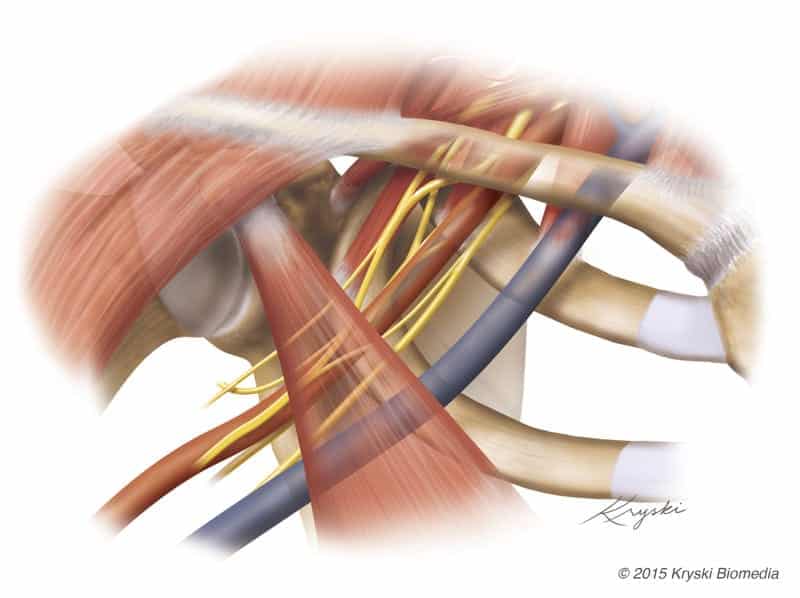
TOS surgery is complicated. The definitive treatment, thoracic outlet decompression, aims to eliminate nerve or vessel compression. Surgeons may remove part of the first rib or a cervical rib, remove a neck muscle (scalenectomy), or repair injured blood vessels. The thoracic outlet is anatomically complex, and these TOS surgeries require sure hands, adequate experience, and profound expertise. The risks are rare but real: nerve injury, infection, and blood clots. A good specialist understands how to recognize red flags and be responsive.
Even after surgery, follow up is critical. Post-operative TOS patients require monitoring and rehabilitation to ensure they recover strength and function.
4. Collaborative Ethos
Good TOS care is a team effort. The specialist collaborates with surgeons, imaging specialists, physical therapists, and pain specialists to coordinate treatment. Regular open discussions with all team members ensure that nothing falls through the cracks.
Each brings a unique view: therapists help with rehab, radiologists present the anatomy, and pain doctors fine-tune medication plans. We hold multidisciplinary discussions to help shape better treatment paths.
This multi-team approach ensures patients receive care that addresses all of their needs, not just the most prominent symptoms.
5. Proven Outcomes
Doctors follow their outcomes with case studies and patient surveys. They seek pain relief, better mobility, and low complications. Long-term results count.
Specialists follow patients’ progress months or years after treatment and monitor for either sustained remission or relapse. When diagnosed early and treated with speedy, targeted care, these patients tend to recover better and are more satisfied with their care.

The Diagnostic Journey
Diagnosing thoracic outlet syndrome (TOS) is a nuanced procedure requiring deliberate actions and appropriate instruments. It’s a long journey in part because TOS symptoms can resemble other disorders. Getting the diagnosis right avoids long term problems and creates the foundation for good treatment.
Every stage of the process – clinical evaluation, cutting-edge imaging, and functional tests – contributes to establishing the diagnosis of TOS and eliminating other causes.
- Begin by screening the patient’s symptoms, with particular focus on pain, numbness, and weakness. These are common symptoms, impacting most patients.
- Take a complete medical history, including previous injuries and any other conditions that may mimic or exacerbate TOS, such as carpal tunnel syndrome. Explore what postures, activities, or arm positions cause or relieve symptoms.
- Conduct a physical exam with attention to specific stress tests, such as the Roos test and elevated arm stress test, to evaluate for evidence of nerve impingement or neuropathy.
- Employ imaging and functional tests to validate the diagnosis and exclude other etiologies.
- Document findings fully and explicitly, as a proper diagnosis is often based on viewing patterns over time and across tests.
- Complete the diagnosis promptly, as earlier diagnosis has been shown to produce better surgical results.
Clinical Assessment
A TOS specialist starts with a thorough clinical exam. They search for symptoms such as pain, numbness, and weakness that can occur at rest or with use of the arms. These issues, experienced in as many as 87% of patients, indicate the potential for TOS.
The doctor will inquire about your work, activities, sports, injuries, and timeline of symptoms. Special tests such as the Roos’ stress test are also conducted. This test is also known as the EAST (elevated arm stress test). In this test, patients keep their arms raised and open and close their hands for three minutes. A positive Roos’ test when symptoms are reproduced or the patient is unable to keep the arms elevated. This positive test suggests the diagnosis of neurogenic thoracic outlet syndrome.
Taking a complete patient history is just as crucial. A lot of patients have other upper limb issues that make the diagnosis of NTOS more challenging.
Doctors maintain notes throughout. These records are essential for monitoring symptoms and selecting optimal treatment, which can allow other specialists to help understand this complex disease and sharpen focus on the diagnosis.
Advanced Imaging
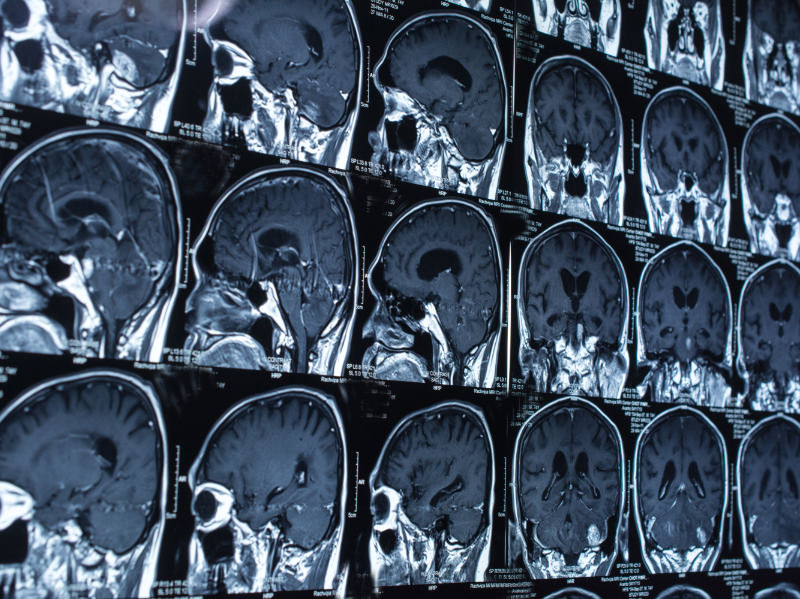
Knowledgeable TOS experts use specialized imaging like NeoVista® MRI to visualize what’s going on internal to the body. When performed and interpreted by TOS-expert radiologists, these studies show the nerves, blood vessels, and muscles in the thoracic outlet in great detail.
If blood flow issues are a concern, vascular imaging such as venography or arteriography can identify blockages or compression. However, ultrasound often represents the starting point for evaluation of blood flow in the affected upper extremity. This evaluation is often crucial for medical and surgical decision making.
It is not always easy to read highly-specialized images. TOS can mimic other issues, so the expert teams work with the best and most experienced radiologists to examine every nuance. This teamwork assists in distinguishing TOS from other nerve or vascular conditions and often helps advance the treatment plan.
Functional Tests
Functional testing demonstrates the impact TOS has on everyday life. These tests may examine grip strength, range of motion, and exacerbation of symptoms during activities such as lifting or typing.
Nerve block or muscle block tests may help to localize the source of the pain.
Physical therapy evaluations quantify strength and range of motion. This helps set goals for rehab and track progress over time.
These test results may help direct the next phase of treatment. They inform the care team about what type of therapy or surgery may assist and establish a baseline for recovery.
The Treatment Spectrum
The treatment spectrum of TOS covers everything from simple home care to advanced surgery. Physicians need to consider both approaches and customize treatments to the patient’s symptoms and etiology. The best care plans tend to select from one or more treatment approaches and rely on a multidisciplinary team.
Below, key categories of treatment are listed:
- Conservative management: Physical therapy, lifestyle changes, medication, and activity modification
- Interventional options: Nerve and muscle blocks, corticosteroid injections, nerve hydrodissection, and minimally invasive procedures
- Surgical intervention: Rib resection, scalenectomy, neurolysis, among others.
- Multidisciplinary care: Collaboration among physical therapists, radiologists, pain specialists, and surgeons.
Conservative Management
Conservative management includes various strategies aimed at alleviating symptoms.
- Physical therapy tailored for TOS
- Daily neck stretches and shoulder rolls
- Use of non-steroidal anti-inflammatory drugs (NSAIDs) or nerve membrane-stabilizing agents
- Ergonomic adjustments at workstations
- Home exercise programs to improve posture and muscle balance
Physical therapy continues to be a cornerstone of treatment for neurogenic TOS. Simple exercises, such as shoulder rolls or light neck stretches, tend to tame the daily pain and numbness. Breathing control, biofeedback, and postural adjustments are used by experienced TOS physical therapists. Some patients experience relief within weeks, while others require as long as 18 months to achieve enduring improvement.
Physicians often prescribe pain or anti-inflammatory medications. They track patient progress in fine detail, tweaking the treatment schedule as symptoms wax or wane. This boots-on-the-ground method manages the flare-ups and prevents relapse.
Interventional Options
Nerve blocks and muscle blocks may help isolate symptoms and offer temporary respite to those who are not responding to exercises alone. These are often performed under ultrasound guidance. These procedures may allow patients to pursue physical therapy with less pain.
Minimally invasive techniques, such as anesthetic or botulinum toxin injections, are occasionally appropriate for patients with certain TOS varieties, particularly when symptoms resurface or escalate. The risks of each procedure, including rare infection or nerve paralysis, are balanced with the benefits in a shared decision-making process between patient and physician.
Surgical Decompression
Surgery for patients with NTOS is reserved for severe or persistent TOS symptoms that do not respond to less invasive conservative therapy. Some signs and symptoms are considered stronger indications to proceed to surgery, including uncontrolled pain, motor weakness, blood clots, or aneurysm formation.
Specialists can perform first rib resection under a variety of approaches, using standard surgery, endoscopic surgery, or robotic surgery. In some cases with venous blood clot or arterial aneurysm, vascular surgeons participate specifically to perform vascular repairs.
Preoperative comprehensive evaluation and patient education are essential to ensure a smooth process and appropriate expectations. TOS surgeons work hard to make sure patients understand the risks, outcomes, and recovery time frames.
Post-surgical care often includes physical therapy to supervise measured reintroduction to activity, in order to maximize recovery and minimize relapse.
The Multidisciplinary Team
A team-based approach is extremely helpful for treating thoracic outlet syndrome (TOS) patients. This complicated disease frequently requires the attention of multiple kinds of physicians and therapists for best outcome. Every specialist contributes a piece to the puzzle, ensuring the entire picture is visualized, ensuring that treatment suits the individual’s actual requirements.
Primary care doctors often initiate the diagnostic process when they recognize TOS early. We find that physical therapists and chiropractors frequently make the first diagnosis as they are so deeply involved in body dynamics, and are sensitized to quite subtle asymmetry, atrophy, or functional deficits. They identify symptoms, request tests, and refer patients to appropriate specialists. This prevents patients from being caught in delayed diagnosis.
Physical therapists are central members of the team. They assist patients in moves and stretches that reduce pain and restore power. For others, these programs are the primary avenue to recovery. For the rest, they may provide invaluable post-operative assessment and guidance.
Pain specialists may come on board to assist with pain control, using straightforward solutions such as oral medication or nerve blocks. Sometimes, neurologists recognize the complex pattern of nerve involvement in TOS patients. Every specialist offers a skill that counts toward the patient’s wellness.
There’s a lot to be said for team meetings. Doctors and therapists convene to discuss each case. They assess progress and understand how to evolve the current plan. This process helps ensure the care plan suits the patient’s life and helps to modulate goals and expectations over the recovery period.
Some patients with NTOS need to visit a multitude of doctors before receiving a definitive diagnosis. Fortunately this has become much less common over our time working with TOS patients. The team approach helps reduce such wasted time and overlooked steps. It provides patients a primary team to steer them, which makes the process more straightforward.
Not every patient receives a set of cookie-cutter steps to take; rather, he or she gets a plan built around their unique needs. By integrating specialized perspectives, the team is able to determine what’s best, whether it is therapy, surgery, or a combination, for each individual case.

Beyond The Scalpel
A TOS specialist is not just a surgeon. The position requires abilities in whole-person care, long-term support, and patient partnership. Surgery is just one piece of the puzzle. TOS is tricky and can take months or years to diagnose and treat correctly.
The best results arise from a collaborative team who thinks beyond the body and takes into account the individual lifestyles and occupations of every patient. A majority of patients, even those with severe symptoms, get relief from physical therapy and lifestyle modification. Early surgery can cure some, but TOS can relapse years down the line, so comprehensive care, patient education, and continued support are important for enduring outcomes.
Patient Empathy
TOS can send people into a tailspin, sometimes having visited scores of physicians and endured countless tests. Compassion counts. A good specialist listens carefully, detecting both expressed and latent concerns.
That trust is important when patients are weary after months of symptoms. Specialists provide reassurance during diagnosis, calming fears and assisting patients to be proactive in their care.
In our experience, many TOS patients often feel isolated or misunderstood at one point or another during their diagnosis and treatment. Emotional support from the TOS specialist and support staff are as critical as the physical treatments, particularly when progress is slow or when setbacks occur.
Continuous Learning
A TOS pro never stops studying. Research, new treatments, and better rehab methods keep shaking up our concepts and knowledge of TOS. The best TOS specialists continuously hone their skills and keep up with best practices.
Peer discussions and case reviews are key to this progress. TOS experts can review their strategies, seek guidance, and enhance treatment. TOS care frequently involves collaborating with physical therapists, neurologists, radiologists, surgeons, and pain specialists, so a learning mindset in each member of the team permeates the entire team. We value every opportunity we receive to work with the best TOS specialists in their field.
Clear Communication
- Rely on standing meetings and status reports to maintain everyone’s awareness.
- Create communal care plans that everyone on the team contributes to.
- Conduct case meetings to review patient progress and update plans.
- Create simple summaries for patients to take home.
Transparent conversations with patients assists them in establishing realistic objectives. Explaining the diagnosis, treatment options, and likely outcomes in plain language helps reduce fear and confusion.
Every patient is an individual, and each case of TOS behaves differently. Some patients won’t experience significant transformations for 18 months or longer, so it is crucial for the TOS specialist and the patient to establish realistic expectations. Written instructions, basic diagrams, and exercise sheets can all assist patients in staying on track at home.
Verifying Expertise
Finding a real TOS specialist boils down to a diligent examination of a doctor’s experience, methodology, and track record. TOS is intricate, and not all doctors are educated extensively on this topic. Verification of expertise helps patients find the best care, particularly with so many TOS patients seeing multiple physicians before a definitive diagnosis is made. Verification involves more than just checking a diploma or a treatment checklist.
Board certifications and professional group memberships demonstrate a doctor’s specialty and continued dedication. Board-certified neurologists, vascular surgeons, radiologists, or orthopedic surgeons typically may participate in diagnosis and treatment of TOS patients. Membership in organizations such as the American Board of Radiology or the Society for Vascular Surgery can indicate specialized training.
These credentials by themselves aren’t sufficient, but they provide a solid foundation. They indicate the doctor stays current with new therapies and protocols. Inquire about these as an initial measure when selecting an expert.
A real TOS expert will have a history of direct experience with this disorder. You may want to inquire about how many TOS patients a TOS specialist has treated, their overall results, and what treatments they typically employ. Some TOS doctors may specialize in conservative care, like physical therapy, while others may specialize in surgery.
Consideration of outcomes and handling of difficult or uncommon cases is also important. Patients should not hesitate to ask for general numbers, although HIPAA laws prevent sharing of specific information from any single patient, and doctors typically are not allowed to provide such data. Obtaining a second opinion from a TOS specialist can assist in validating a diagnosis or treatment plan.
Dedicated academic centers with dedicated TOS programs often provide additional resources and a multidisciplinary approach. Such centers may provide specialized nerve labs, state-of-the-art imaging, and clinicians trained in different facets of TOS care.
Conclusion
Every TOS patient should strive to identify a genuine experienced thoracic outlet syndrome specialist. These TOS doctors recognize unique TOS symptoms, apply unique provocative clinical TOS tests, utilize precise testing, understand the value of expert TOS imaging, and select appropriate treatment. These TOS specialists collaborate with teams including pain specialists, physiotherapists, radiologists, and hand surgeons, among other TOS specialists. Some TOS specialists perform specialized TOS surgery, while some TOS specialists devote time and effort to conservative treatment of TOS. How do you know that a doctor is a thoracic outlet syndrome specialist? It requires sharp eyes and steady hands, along with a serene manner to lead others through extended treatment. What qualifies a doctor to be a thoracic outlet syndrome specialist? For more tips on selecting your care team or navigating rare nerve conditions, contact the NeoVista® team.
Frequently Asked Questions
Who is a thoracic outlet syndrome specialist?
A good thoracic outlet syndrome specialist has put in the time and effort to learn the anatomy of the thoracic outlet, understands the multiple causes of NTOS, is facile at the provocative tests and unique symptoms of TOS, has plentiful experience diagnosing TOS and treating TOS, has connections with the larger community of TOS specialists, and can communicate clearly with their TOS patients.
How does a doctor become a thoracic outlet syndrome specialist?
TOS doctors may not learn much about TOS in medical school, but they become TOS specialists through intense interest in helping TOS patients, additional training, practical experience, and often by collaborating with a multidisciplinary team. They become TOS experts by performing this specialized and dedicated work with TOS patients.
What does a thoracic outlet syndrome doctor do differently to develop the diagnosis?
TOS specialists elicit unique TOS symptoms and medical history, perform provocative TOS physical exams, and use specialized diagnostic tests such as the NeoVista® MRI examination for patients with TOS. Their goal is to confirm thoracic outlet syndrome and rule out other conditions.
What treatments can a thoracic outlet syndrome specialist offer?
Treatment of arterial TOS is emergent, with surgeons removing blood clots blocking blood flow to the arm. Treatment of venous TOS is urgent, with prompt blood thinning or surgical removal of the blood clot that blocks blood flow returning from the arm to the heart. Treatment of neurogenic TOS often relies on initial conservative treatment, including physical therapy, pain management, and ultrasound-guided muscle or nerve blocks. If conservative treatment fails, TOS specialists must consider surgical treatment, which comes in a variety of techniques.
Why is a multidisciplinary team so valuable in thoracic outlet syndrome care?
A team approach that utilizes the best skills of different specialists often helps address the numerous short-term, long-term, and post-surgical challenges that may exist in different patients.
Can thoracic outlet syndrome be treated without surgery?
Yes, plenty of patients respond well to non-surgical options like physical therapy, posture correction, and pain relief. Surgery is reserved for those TOS patients who fail to adequately improve from conservative treatment.
Why does a thoracic outlet syndrome specialist make such a big difference?
TOS is a complex and challenging disease, and many doctors never receive training regarding TOS in medical school. A limited number of these specialists self-motivate to learn about TOS after training. We hear from many patients who suffer without proper diagnosis and treatment. These patients feel their lives are changed after they find a qualified and experienced TOS specialist. We help many patients find this specialist early in the course of their disease. Let NeoVista® help you!